Driving Momentum for a Sustainable Future
Embers of Hope
The Fight for Our Future
Shaping Population Strengthening Communities
Youth Leadership Development
Education for Sustainable Development
Renewable Energy and Waste Management
Our Footprint
Our Programmes
Latest Updates
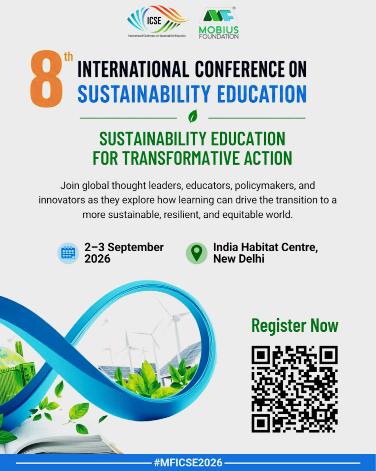
Save the Date: 8th International Conference on Sustainability Education
The 8th International Conference on Sustainability Education (ICSE 2026), a flagship initiative of the Mobius Foundation, will take place on 2–3 September 2026 at the India Habitat Centre, New Delhi.
Bringing together global educators, policymakers, researchers, and sustainability leaders, the conference will serve as a dynamic platform to advance education for sustainable development. ICSE 2026 aims to strengthen the role of education in addressing pressing environmental and societal challenges, while fostering meaningful action at local, national, and global levels.
The programme will feature a diverse range of formats, including plenary sessions, Sustainability SAMVAD, power talks, and a dedicated Youth Conclave, designed to enable dialogue, knowledge exchange, and collaborative engagement across sectors.
Youth for Earth (Y4E) 2026
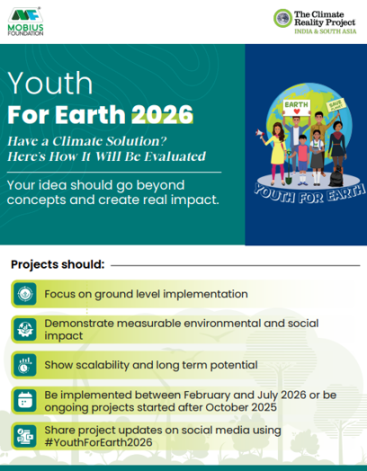
The 7th edition of **Youth for Earth (Y4E) 2026**, a youth-led environmental action programme, has attracted an overwhelming response, with over 240 registrations from students committed to advancing sustainability-driven ideas and solutions.
Projects will be assessed not only for their originality, but for their ability to address real-world environmental challenges and deliver measurable, scalable impact.Submissions will be evaluated across key parameters, including:
- Relevance to pressing sustainability challenges
- Creativity and innovation
- Climate-positive outcomes
- Replicability and scalability
- Social impact
- Integration of STEM principles
Top-performing projects across categories will receive recognition, cash awards, and the opportunity to present at ICSE 2026. In addition, selected participants will gain enhanced visibility through programme platforms, amplifying their ideas to a wider audience.
Embers of Hope
Embers of Hope – The Fight for Our Future is a compelling 10-episode documentary series that explores India’s environmental journey in a way never seen before. The series examines some of the most pressing challenges of our time — climate change, sustainability, population pressures, ecological degradation, and more — while highlighting practical, actionable solutions that individuals and communities can adopt. This series goes beyond presenting challenges. It focuses on responsibility, resilience, and realistic pathways toward a sustainable future. Narrated by the iconic Zeenat Aman and Prof. Bhaskar Vira of the University of Cambridge, Embers of Hope brings credibility and compelling storytelling together in one powerful series.
The series is available in seven languages and can be watched anytime, anywhere on Discovery+.
Embers of Hope: Animations and Call to Action
Each episode of Embers of Hope features engaging animations at the end, specially designed to help children grasp complex environmental concepts with ease. These vivid animations bring to life urgent issues: oceans clogged with plastic waste, polluted air harming animals, rapid urban growth replacing nature, forests disappearing and wildlife losing habitats, and rising temperatures melting glaciers. Together, they simplify India’s environmental challenges, inspiring young viewers to understand and care about the planet’s future.
Viewers are encouraged to share their stories or projects addressing climate change, biodiversity, pollution, or sustainable solutions. Students, researchers, volunteers, and community groups can participate by highlighting the problem, objectives, methods, outcomes, and key learnings of their initiative. Selected projects will gain visibility and support, helping amplify their impact and inspire others.
Aakar
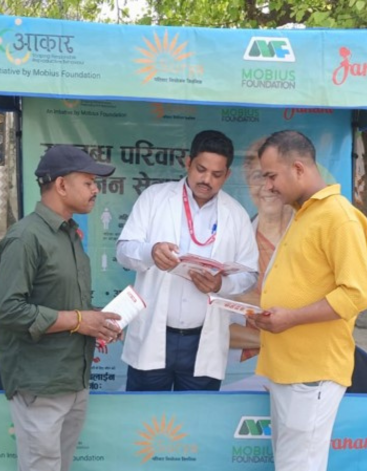
In March, Aakar “Umeed” strengthened inter-departmental coordination and expanded community outreach to improve access to family planning services.
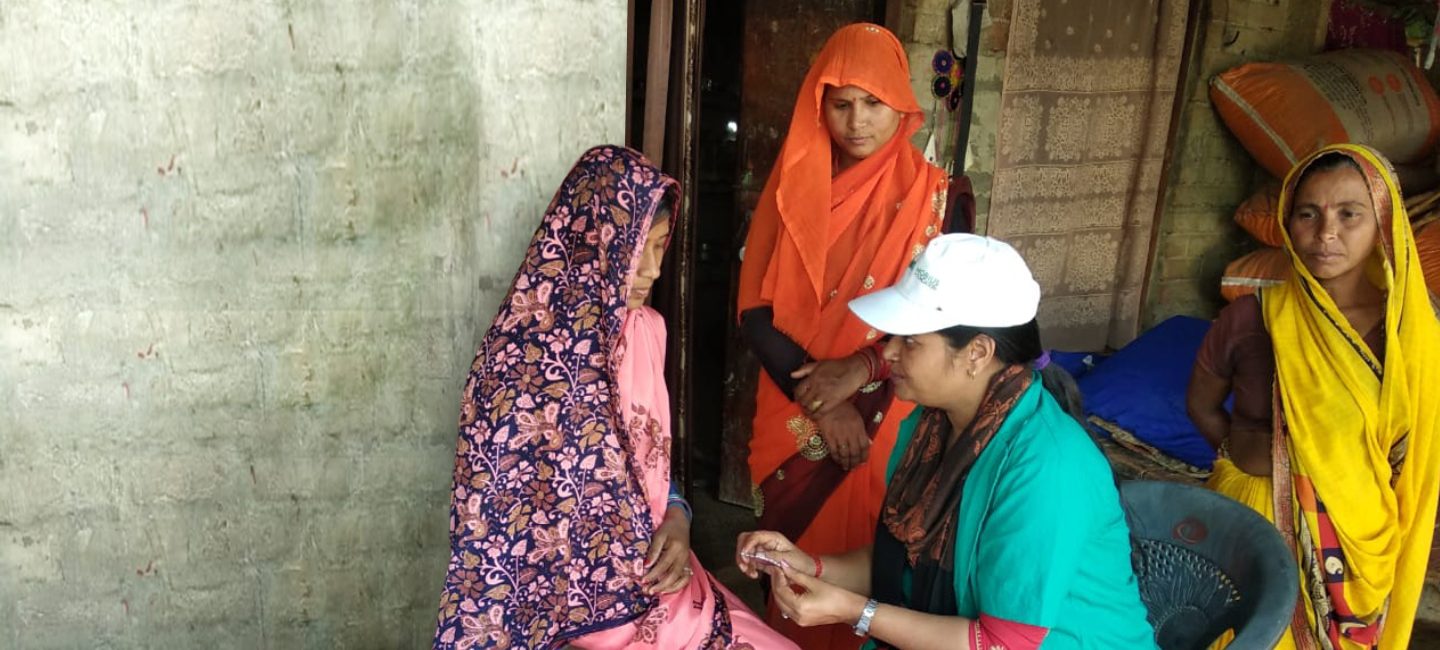
A Mega Health Fair in Jarwal, Bahraich (Uttar Pradesh), held on International Women’s Day, reached 754 beneficiaries with OPD consultations, health check-ups, adolescent screenings, and family planning counselling. District Working Group meetings in Sitapur and field monitoring in Shravasti tracked service delivery and identified gaps in male participation and capacity building.
In Siddharth Nagar, work with Janani supported sterilization camps and community counselling. In Saran, Bihar, Stabilization Fortnight activities enabled direct engagement with eligible couples.
These efforts focused on strengthening systems, improving outreach, and expanding access to essential services.
Gyan Kanya Shakti – Madhya Pradesh
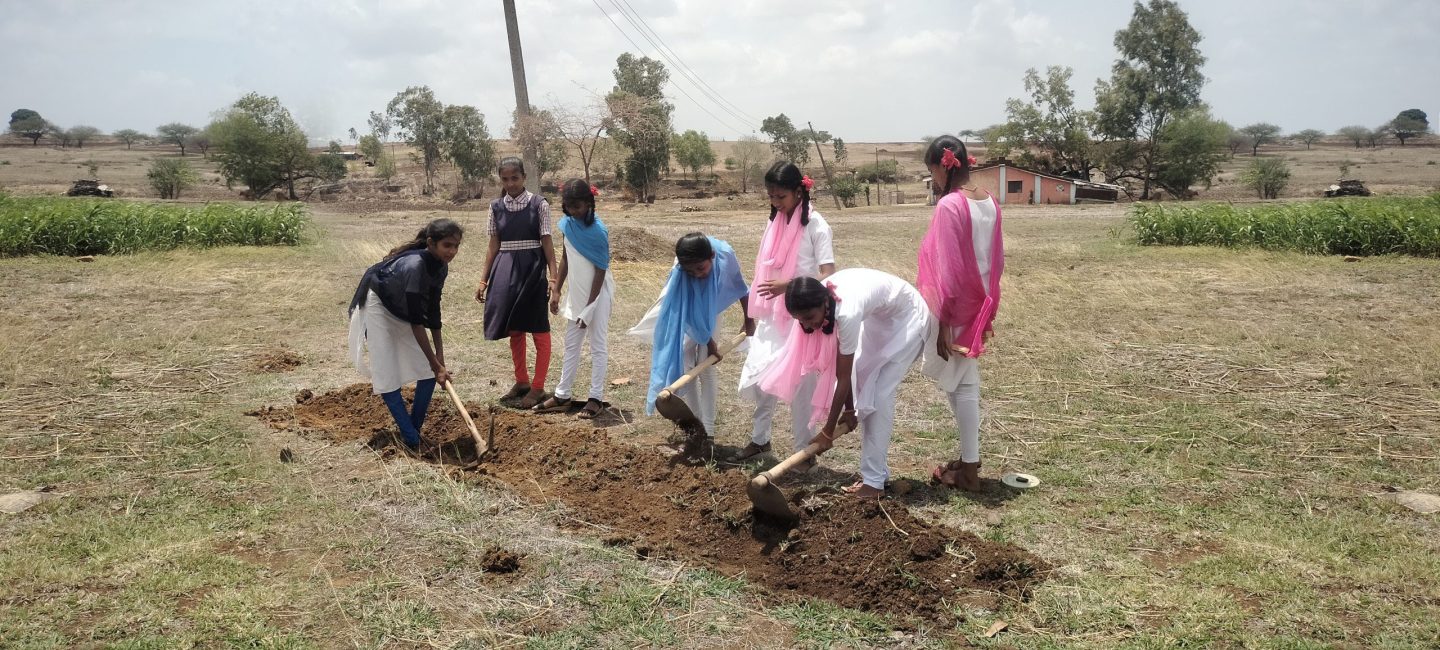
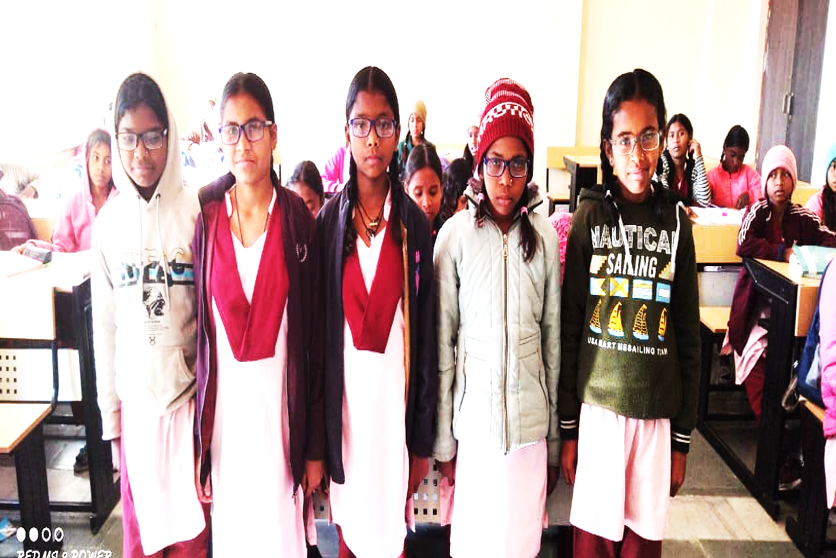
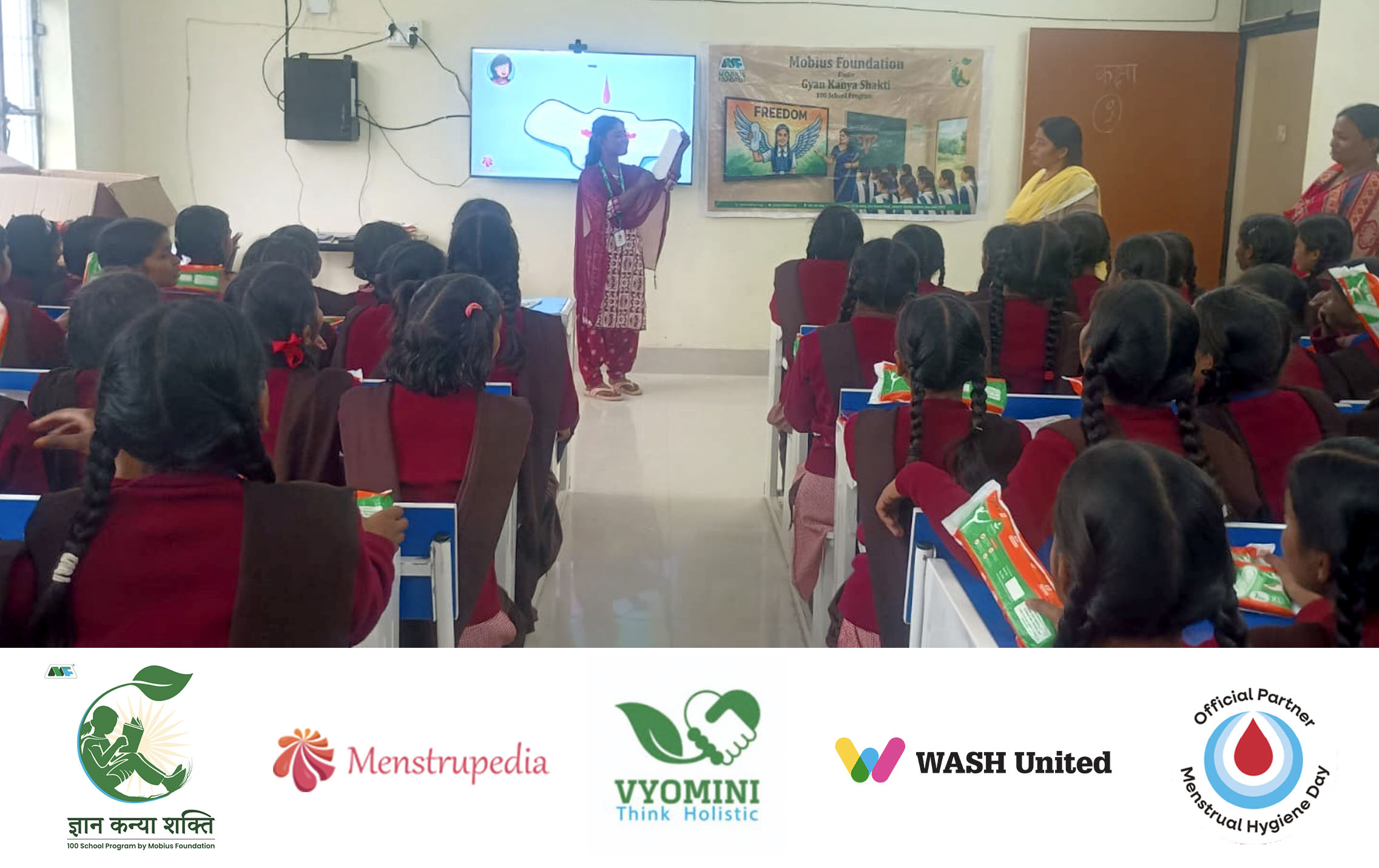
During March, activities focused on strengthening preparedness, student well-being, and planning for the upcoming academic session.
In Panna, a three-day Disaster Management Workshop conducted by the Zila Panchayat saw participation from the Mobius district team, with key learnings subsequently shared with students and teachers across GKS schools to build awareness on safe practices.
In Umaria, 18 students received spectacles, supporting improved vision and enabling better classroom engagement. Alongside these efforts, district coordinators worked closely with the Lotus Petal Charitable Foundation (LPCF) team and school leadership to plan the academic calendar for 2026–27. Meetings with principals and Ayojikas helped align schedules and ensure smoother execution of programme activities in the coming session.
Mobius Young Climate Leaders for Himalayan Development (MYCL)
During March, the Mobius Young Climate Leaders (MYCL) programme continued to drive grassroots climate action and sustainability education across multiple states. In Mizoram, a waste collection drive at the Huhliap Training Centre led to the safe disposal of around 30 kg of non-biodegradable waste. In Tripura, capacity-building initiatives focused on sustainable resource management through hands-on training in bamboo products, medicinal plants, and rural livelihoods.
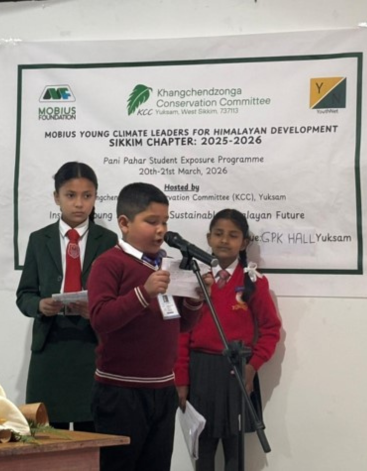
In Assam, a Monitoring & Evaluation visit by the Mobius Foundation team covered four schools implementing the Pani-Pahar curriculum, highlighting improved student engagement and strong interest in continuing the programme. In Sikkim, the first phase of the curriculum concluded with exposure visits and student competitions, while in Meghalaya, efforts focused on assessing community-led waste management practices. Together, these activities reflect MYCL’s continued focus on building awareness, skills, and local action on sustainability.