Eco-Friendly Toilets
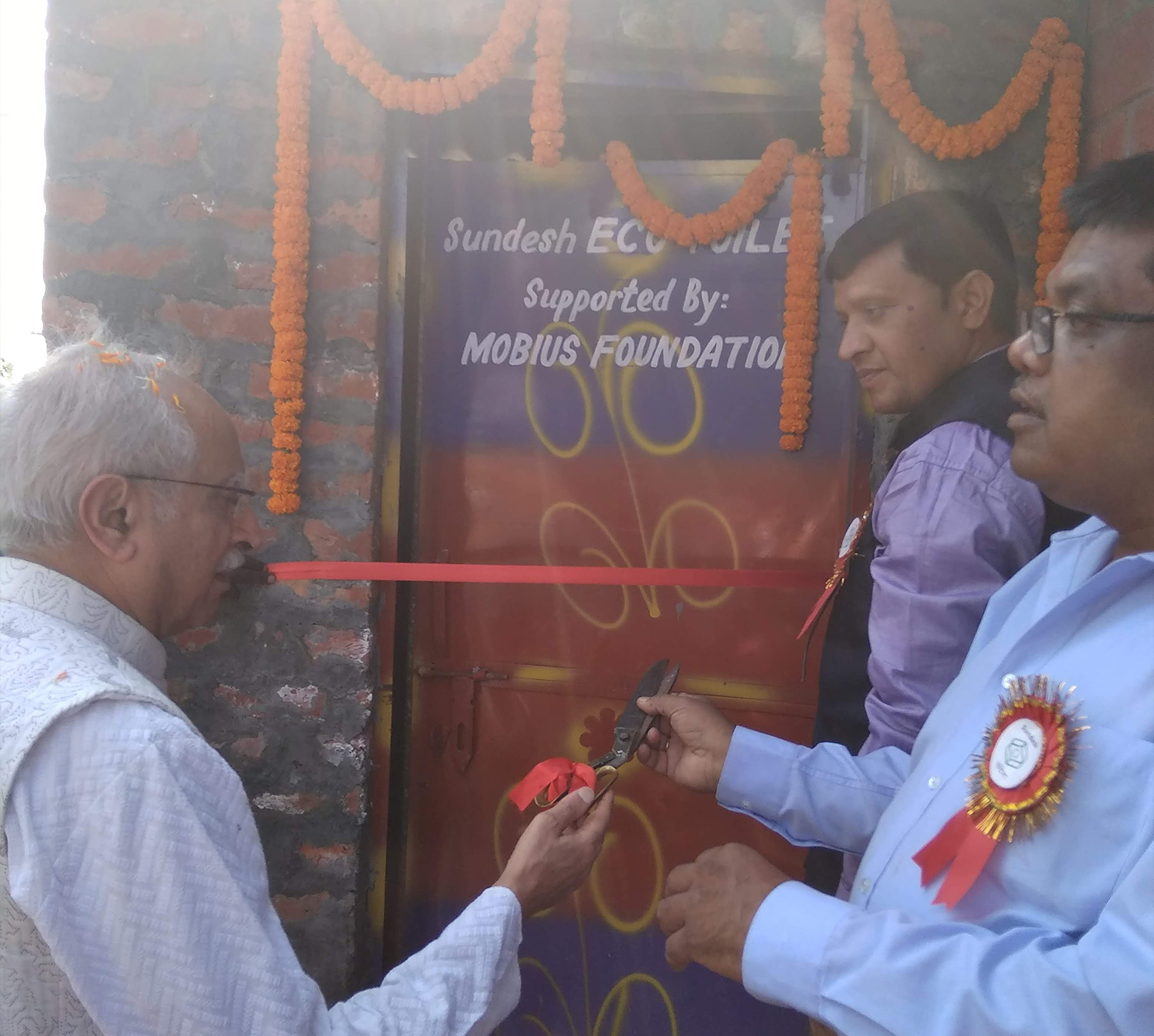
The Mobius Foundation’s collaboration with the logical Indian and Marta Vanduzer snow to establish eco-toilets in the villages of uttar pradesh.
Our Footprint
Overview
Nearly 600 million people in India still lack access to proper toilets, clean water, and sewage systems, leaving many at risk of health and social challenges.
Eco-friendly toilets offer a low-cost, easy-to-operate solution. Using the scientific principle of evapotranspiration, these toilets treat waste naturally, require minimal land, and do not depend on external sewage infrastructure.
Beyond hygiene, these toilets help raise awareness, encourage community participation, and support healthier, cleaner living environments, contributing to more sustainable sanitation practices across communities.

How We Did It
Partnership-Based Implementation
The Mobius Foundation supported Marta, an American native living in India, through the project Better Village Better World, to implement sustainable sanitation and infrastructure solutions in rural Uttar Pradesh. Working closely with local communities, the initiative focused on practical, cost-efficient interventions tailored to village needs.
Construction of Eco-Friendly Sanitation Infrastructure
In October 2018, the project enabled the construction of 143 cost-efficient eco-toilets in the village of Kakrana, Dhaulana, Ghaziabad, along with five demonstration units to familiarise residents with the system. The toilet model, developed and refined over more than two decades, uses a layered substructure that relies on anaerobic digestion, capillary action, evaporation, and transpiration to naturally filter, absorb, and release waste matter. Anaerobic digestion also converts a portion of human excreta into biogas, reducing environmental impact and improving sanitation outcomes.
Water-Sensitive Village Infrastructure
To complement sanitation efforts, the project also supported the construction of permeable roads (10 feet wide and 122 metres long) and French drains, designed to improve drainage and support rainwater harvesting. These interventions helped manage wastewater more effectively while enhancing groundwater recharge and village resilience.
Demonstration, Awareness & Community Adoption
Demonstration units played a key role in building awareness and trust around eco-toilets. Community members were introduced to the functioning, hygiene benefits, and maintenance of the systems, encouraging acceptance, regular use, and long-term sustainability of the sanitation infrastructure.
Our Partner